Strategic Foresight & Early Warning ・ Geopolitics ・ Scenarios
Find your Way in the Geopolitics of the Future
We live today in a highly volatile world.
The world is the theatre of heightening political and geopolitical tensions. Threats abound. Insecurity spreads. War has come back. The impacts of human activity on the planet and beyond create immense challenges and completely novel geopolitical stakes. Competition for resources is fraught with tensions and may rapidly evolves into conflict. Supply chains become increasingly fragile and may be disrupted any time. Markets that we thought secure can disappear over night. The last centuries world order has disappeared. Might is again right.
Political and geopolitical uncertainties for tomorrow multiply. The world we knew is already gone. The future appears as uncertain and full of surprises.
How can you make sense of this changing world ? How can you take good decisions for the future? How can you anticipate and adapt? How can you turn threats into opportunities?
Labs and Individual Coaching Programs for Leadership on Geopolitical Risk
The Green Lab – Initiation to Strategic Foresight & Early Warning for Geopolitical Risk (half-day)
The Blue Lab – Learn to use an analytical model for advanced foresight and warning and decisions (3 half-days)
The Red Lab – Build and validate your strategic model, then use it for advanced foresight and warning and decisions (8 half-days spread over 4 weeks).
Tailored, high-level guidance for leaders tackling complex challenges involving national and international security, geopolitics.
Specialised in international relations, geopolitical and political analysis, strategy for over 30 years and in risk and strategic foresight and early warning for 20 years, we help you understand this world and take insightful and useful actions.
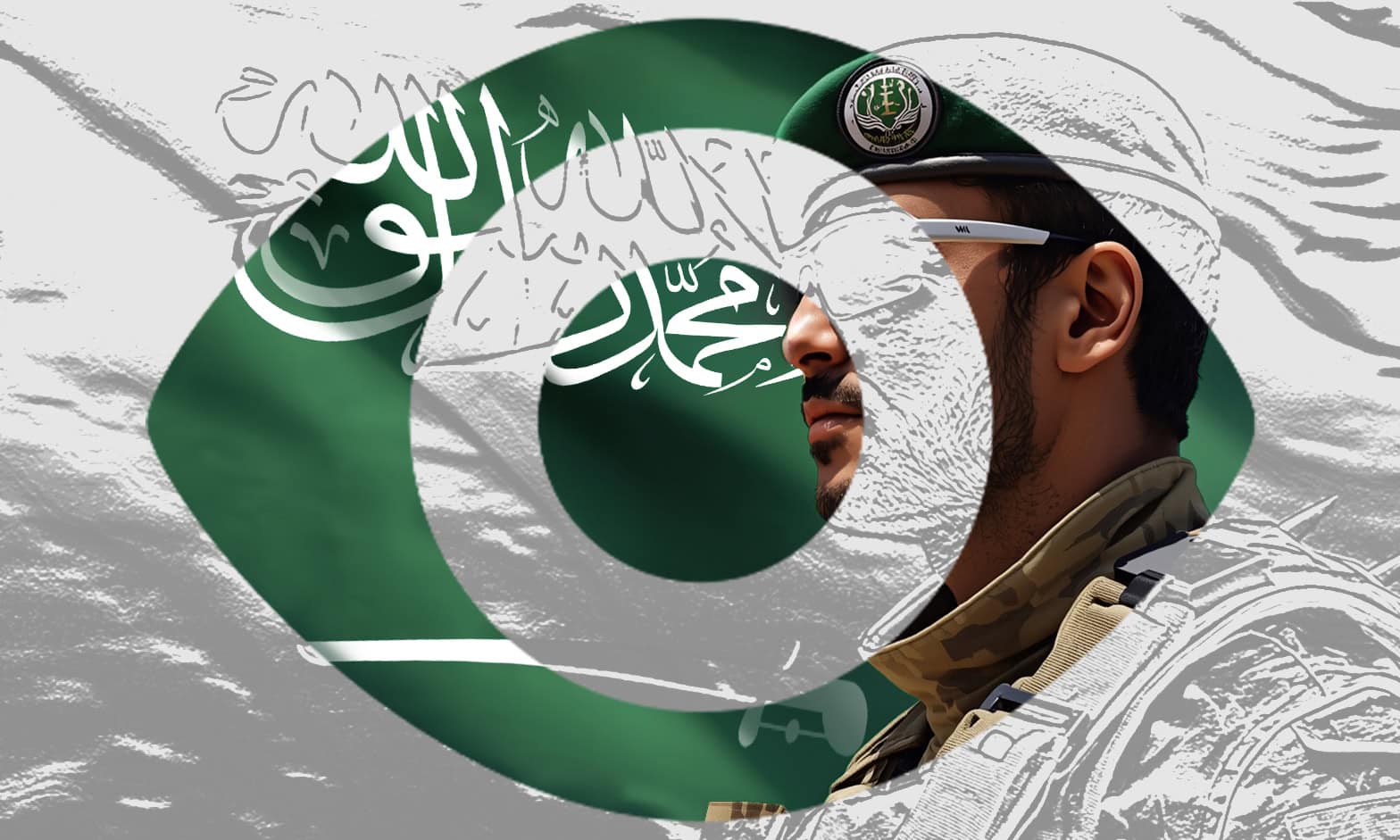
What: Saudi Arabia is a key actor in the US-Israel vs Iran war thanks to its strategy and geographical location. As a result of the conflict, Saudi Arabia could see its place as major regional actor enhanced. On the short term, much hinges on future Houthis’ actions…
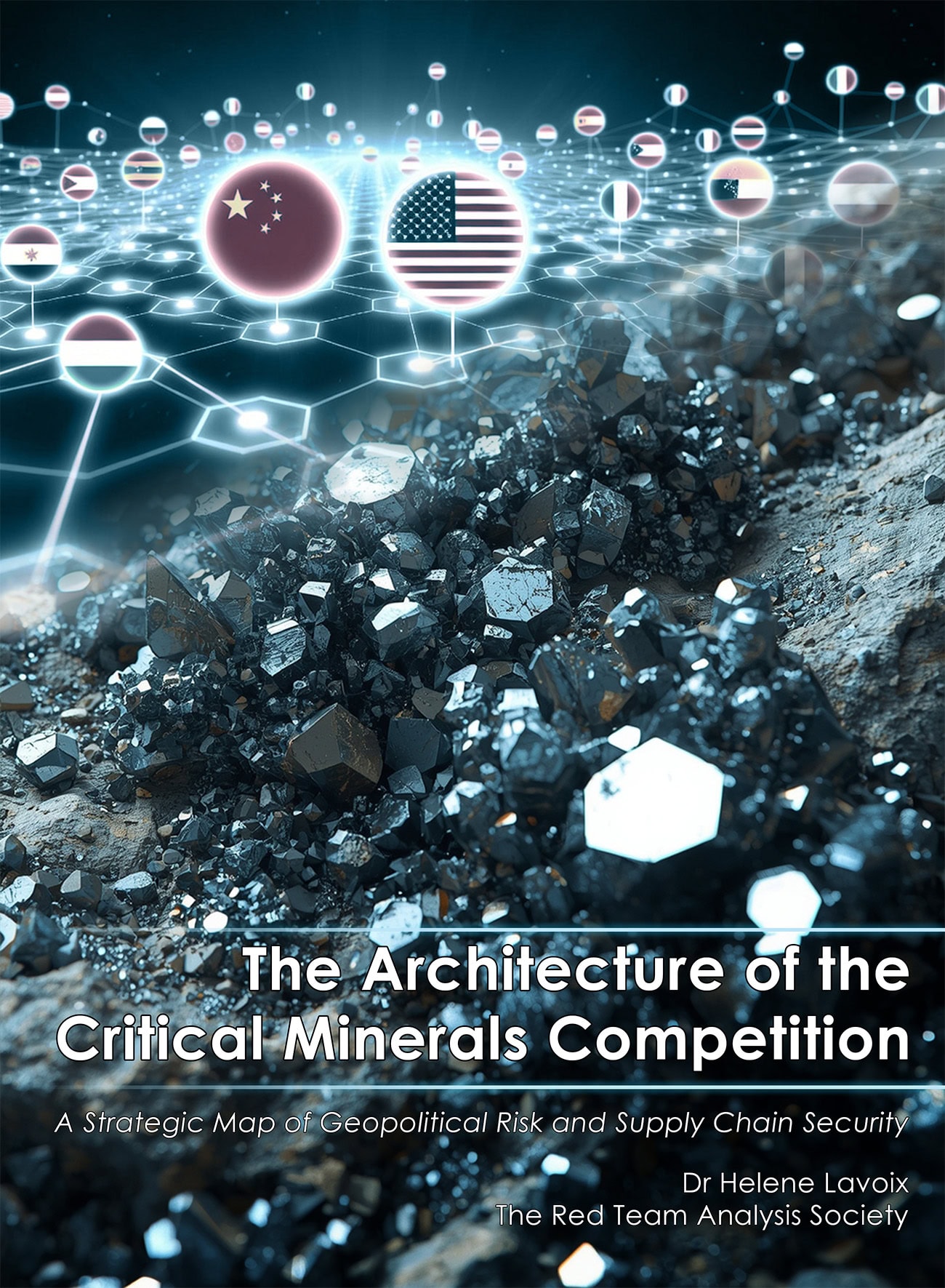
Looking for in-depth understanding and foresight on Critical Minerals? Our new structural analysis maps 161 variables to reveal the hidden levers of global competition. Read more… [Download the Sample Report]
If you are new to geopolitics and strategic foresight and warning, the video we created as a trailer for our training will give you some first introductory insight.
What:
Saudi Arabia is a key actor in the US-Israel vs Iran war thanks to its strategy and geographical location. As a result of the conflict, Saudi Arabia could see its place as major regional actor enhanced. On the short term, much hinges on future Houthis’ actions…
(Art direction:Jean-Dominique Lavoix-Carli Image: The White House, Public Domain) The Golden Dome rising The Golden Dome, heavily promoted by the Trump administration, is a technostrategy/industrial strategy that is already mobilizing major players in the space and AI sectors, including SpaceX, Starlink, Palantir, and Anduril. In this new landscape shaping the relationship between industry and defense …
(Art direction and design: Jean-Dominique Lavoix-Carli) Following the 2026 summit in Davos, the American threat on Greenland has taken a less dramatic turn. However, the issue has not disappeared. Meanwhile, the impacts of the crisis are wide-ranging and will be long-lasting. As a result, we must continue monitoring how events unfold. Critically, we also need …
(Art design: Jean-Dominique Lavoix-CarliImage: USS Abraham Lincoln, Public Domain) Iran crisis While the mullahs’ regime is carrying out appallingly violent repression against its own population, American political and military authorities are pre-positioning a maritime, air, and land military force of historic proportions in the Persian Gulf. Thus, the confrontation between the American military and Iran …
(Art design: Jean-Dominique Lavoix-Carli) On 23 December 25, Trump declared again he wanted to take over Greenland.1James Landale and Rachel Hagan, “Trump says US ‘has to have’ Greenland after naming special envoy”, BBC, 23 December 2025. By December 25, tensions over the issue were already high, especially between the U.S. and the Kingdom of Denmark.2See …
(Art design – featured image: Jean-Dominique Lavoix-Carli) During a meeting with senior leaders and decision-makers, one participant remarked how difficult it is to warn about impending or future danger. Doing so entails the risk of being labelled negative or unpleasant, and ultimately pushed aside. In such conditions, how can we carry out proper strategic foresight …
(Art design – featured image: Jean-Dominique Lavoix-Carli) The tension between the U.S. and China, marked by constant ups and downs between the two giants, has become a permanent feature of the 21st-century international order. It impacts us all. It must be mainstreamed into our analyses, into the way we anticipate and foresee the future. What …
(Art direction and design: Jean-Dominique Lavoix-Carli – Photo: The USS Gerald R. Ford US DVIDS) Thunder in the Caribbean Since 17 August 2025, the US Southern Command has dramatically scaled up its presence and activity in the Caribbean. For example, the Command has deployed 4,000 Marines against narco-terrorist cartels. There is also a massive naval …
(Art direction and design; illustration created with AI: Jean-Dominique Lavoix-Carli) Given the extreme density of the strategic situations involved, the main focus of this article is the technological dimension of the “12 days war” between Israel and Iran, and the strategic meaning of those technological advances. A new way of war in the Middle East …
Trust and discretion are at the core of our engagements. For most projects — especially those conducted with public institutions, international organisations, and research bodies — the substance of the work remains confidential, and outputs are not disclosed.
Below are select organisations with whom we have collaborated on non-confidential or publicly acknowledged projects. Their names are shared strictly for factual reference, without implying endorsement, ongoing partnership, or disclosure of any confidential material.
All references respect professional confidentiality obligations and contractual boundaries.
HEART LEADERSHIP UNIVERSITY ・ EESTI MALU INSTITUUT ・ ALTERRE BOURGOGNE-FRANCHE-COMTE ・ESFSI・ CIVIPOL ・ EUROPEAN COMMISSION (PROGRAMS COUNTER-TERRORISM AND PREVENTION OF RADICALISATION) ・ RESOCLUB ・ PJ – SCRC – ONSTS ・ BPI FRANCE ・ NATO INNOVATION CENTER ・ OECD – SWISS CHANCELLERY ・ ARF – EEAS ・ TUIC ・ EUROPEAN COMMISSION – LEAGUE OF ARAB STATE LIAISON OFFICE (EC-LASLO) ・ LIFE DEFENSE NATURE ・ SCPO-PSIA ・ ANSSI ・ WEF ・ NORDIS ・ GCSP ・ AXA FUND FOR RESEARCH AND IFRI ・ LUTHER COLLEGE ・
GDPR, Privacy and Cookies
The Red Team Analysis Society uses cookies to ensure that we give you the best experience on our website. This includes cookies from third party social media websites if you visit a page which contains embedded content from social media. Such third party cookies may track your use of the Red Team Analysis Society website.
If you click on "Accept", you accept our policy, we'll assume that you are happy to receive all cookies on the Red Team Analysis Society website and this will close this notice. Accept AllGDPR and Cookie Policy
Privacy & Cookies Policy
Privacy Overview
This website uses cookies to improve your experience while you navigate through the website. Out of these, the cookies that are categorized as necessary are stored on your browser as they are essential for the working of basic functionalities of the website. We also use third-party cookies that help us analyze and understand how you use this website. These cookies will be stored in your browser only with your consent. You also have the option to opt-out of these cookies. But opting out of some of these cookies may affect your browsing experience.
Necessary cookies are absolutely essential for the website to function properly. This category only includes cookies that ensures basic functionalities and security features of the website. These cookies do not store any personal information.
Functional cookies help to perform certain functionalities like sharing the content of the website on social media platforms, collect feedbacks, and other third-party features.
Performance cookies are used to understand and analyze the key performance indexes of the website which helps in delivering a better user experience for the visitors.
Analytical cookies are used to understand how visitors interact with the website. These cookies help provide information on metrics the number of visitors, bounce rate, traffic source, etc.
Advertisement cookies are used to provide visitors with relevant ads and marketing campaigns. These cookies track visitors across websites and collect information to provide customized ads.





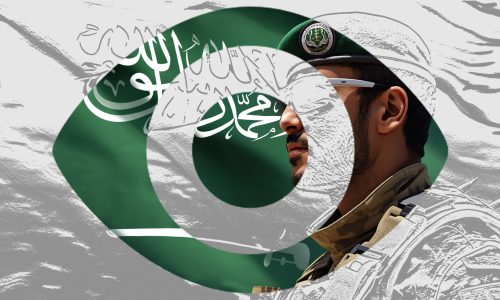 What: Saudi Arabia is a key actor in the US-Israel vs Iran war thanks to its strategy and geographical location. As a result of the conflict, Saudi Arabia could see its place as major regional actor enhanced. On the short term, much hinges on future Houthis’ actions…
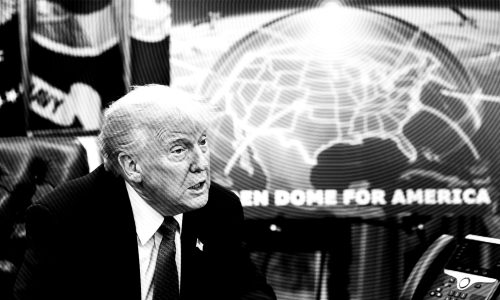 (Art direction:Jean-Dominique Lavoix-Carli Image: The White House, Public Domain) The Golden Dome rising The Golden Dome, heavily promoted by the Trump administration, is a technostrategy/industrial strategy that is already mobilizing major players in the space and AI sectors, including SpaceX, Starlink, Palantir, and Anduril. In this new landscape shaping the relationship between industry and defense …
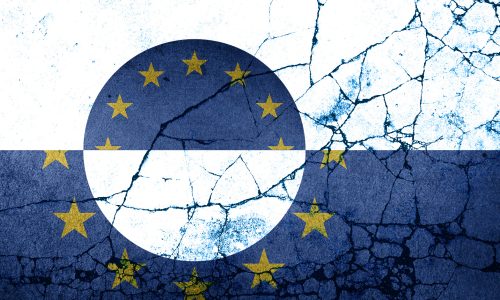 (Art direction and design: Jean-Dominique Lavoix-Carli) Following the 2026 summit in Davos, the American threat on Greenland has taken a less dramatic turn. However, the issue has not disappeared. Meanwhile, the impacts of the crisis are wide-ranging and will be long-lasting. As a result, we must continue monitoring how events unfold. Critically, we also need …
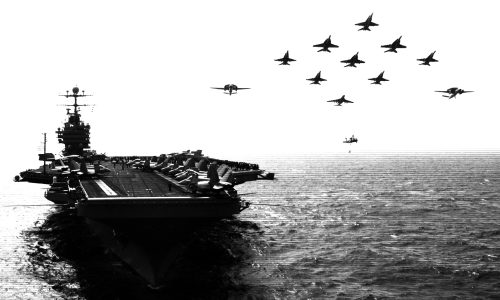 (Art design: Jean-Dominique Lavoix-CarliImage: USS Abraham Lincoln, Public Domain) Iran crisis While the mullahs’ regime is carrying out appallingly violent repression against its own population, American political and military authorities are pre-positioning a maritime, air, and land military force of historic proportions in the Persian Gulf. Thus, the confrontation between the American military and Iran …
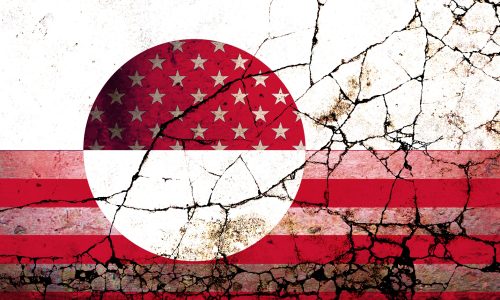 (Art design: Jean-Dominique Lavoix-Carli) On 23 December 25, Trump declared again he wanted to take over Greenland.1James Landale and Rachel Hagan, “Trump says US ‘has to have’ Greenland after naming special envoy”, BBC, 23 December 2025. By December 25, tensions over the issue were already high, especially between the U.S. and the Kingdom of Denmark.2See …
 (Art design – featured image: Jean-Dominique Lavoix-Carli) During a meeting with senior leaders and decision-makers, one participant remarked how difficult it is to warn about impending or future danger. Doing so entails the risk of being labelled negative or unpleasant, and ultimately pushed aside. In such conditions, how can we carry out proper strategic foresight …
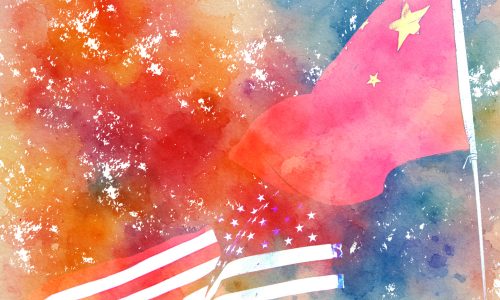 (Art design – featured image: Jean-Dominique Lavoix-Carli) The tension between the U.S. and China, marked by constant ups and downs between the two giants, has become a permanent feature of the 21st-century international order. It impacts us all. It must be mainstreamed into our analyses, into the way we anticipate and foresee the future. What …
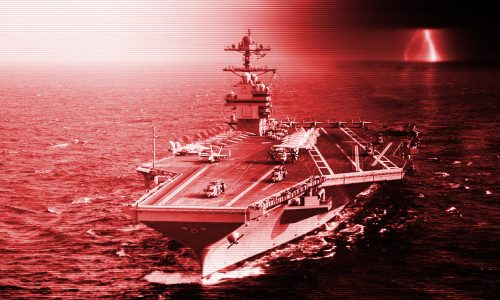 (Art direction and design: Jean-Dominique Lavoix-Carli – Photo: The USS Gerald R. Ford US DVIDS) Thunder in the Caribbean Since 17 August 2025, the US Southern Command has dramatically scaled up its presence and activity in the Caribbean. For example, the Command has deployed 4,000 Marines against narco-terrorist cartels. There is also a massive naval …
 (Art direction and design; illustration created with AI: Jean-Dominique Lavoix-Carli) Given the extreme density of the strategic situations involved, the main focus of this article is the technological dimension of the “12 days war” between Israel and Iran, and the strategic meaning of those technological advances. A new way of war in the Middle East …