
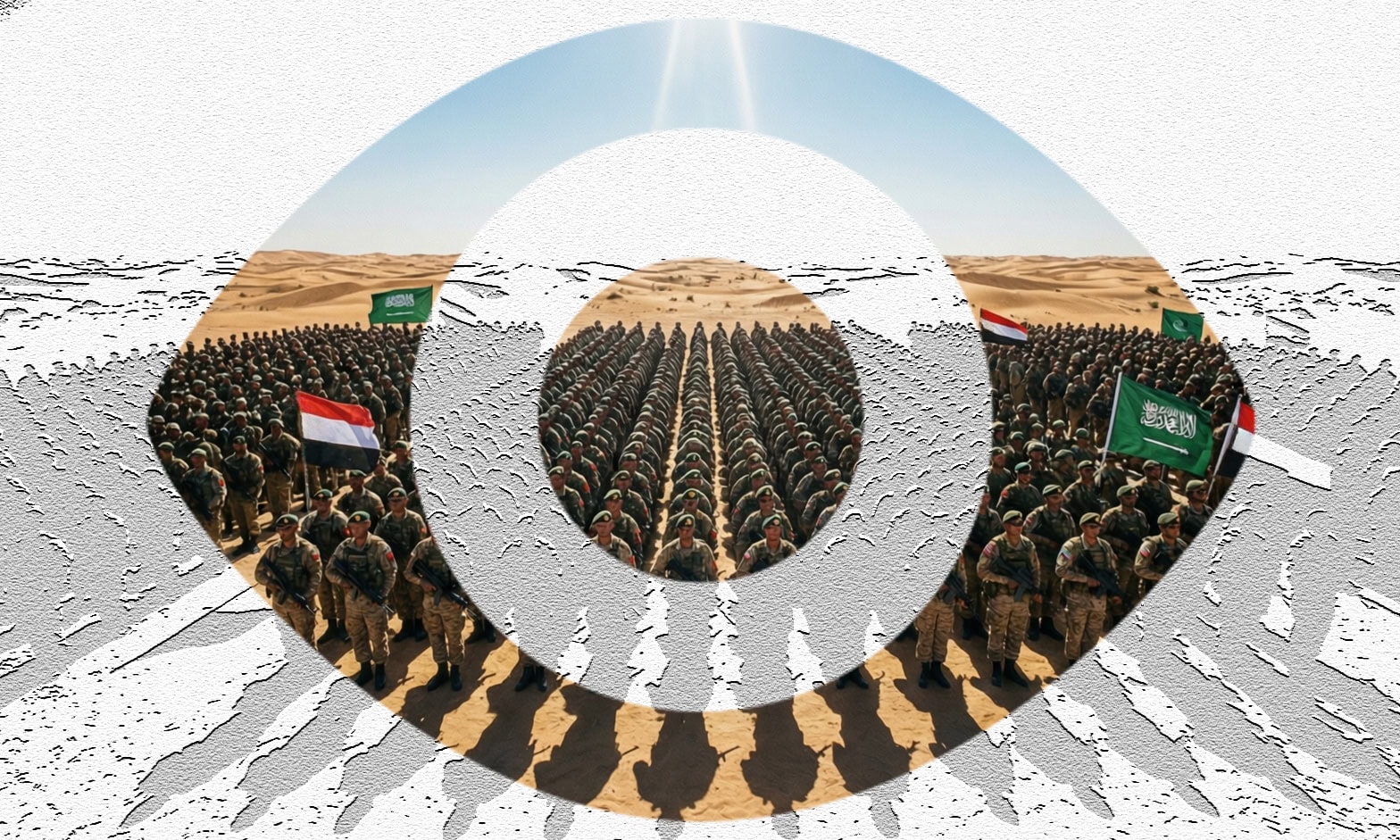
Gulf power dynamics and Red Sea security – Structural shifts in regional leadership
Category Archives: Methodology of Early Warning and Scanning
The American Threat against Greenland: When Should It Have Triggered a Watch?
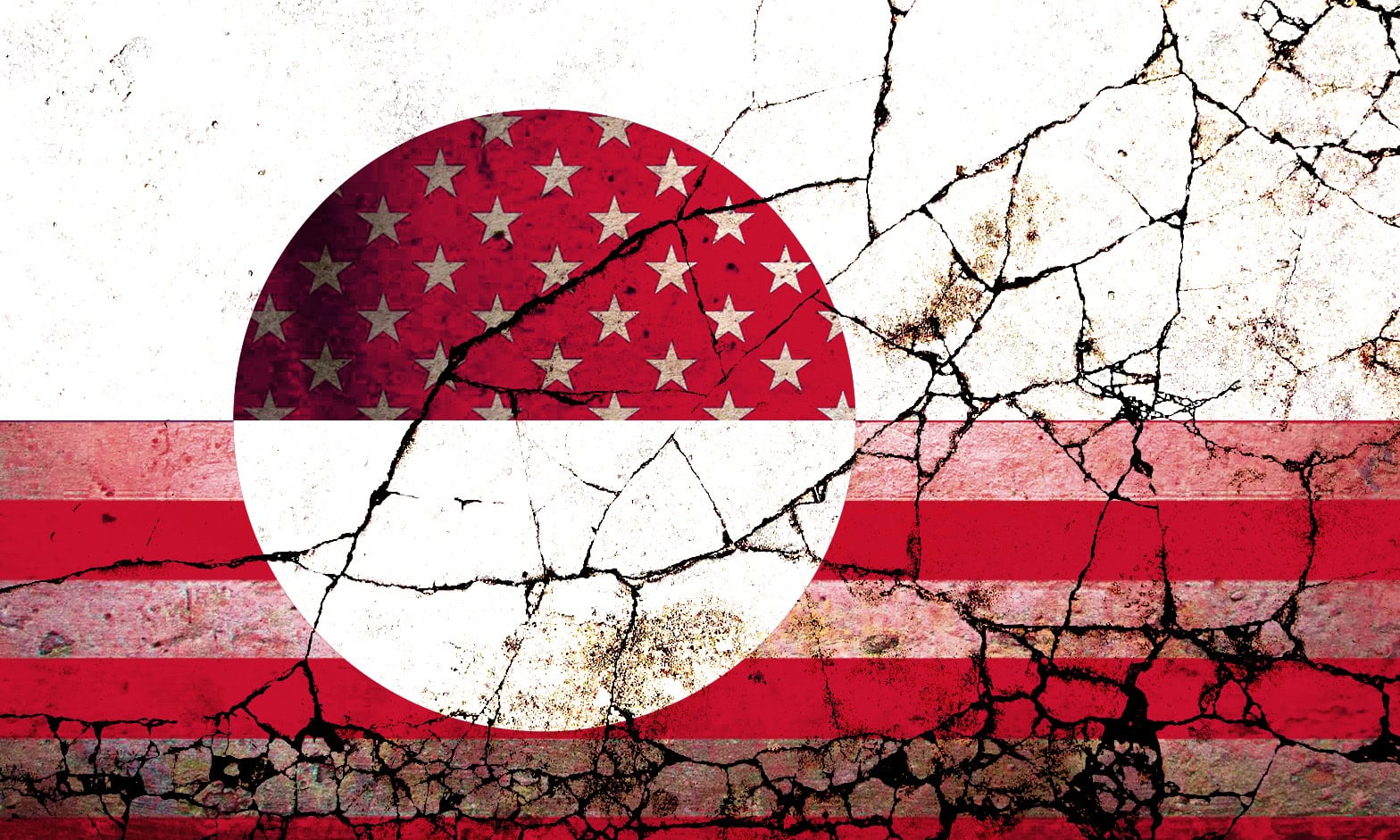
(Art design: Jean-Dominique Lavoix-Carli) On 23 December 25, Trump declared again he wanted to take over Greenland.1James Landale and Rachel Hagan, “Trump says US ‘has to have’ Greenland after naming special envoy”, BBC, 23 December 2025. By December 25, tensions over the issue were already high, especially between the U.S. and the Kingdom of Denmark.2See …
Continue reading “The American Threat against Greenland: When Should It Have Triggered a Watch?”
How to use AI for Weak Signals – Trump, the International Revolutionary?

(Art direction and design: Jean-Dominique Lavoix-Carli) Identifying and using weak signals is an important part of the processes of strategic foresight and early warning. It is at the heart of the activity known as scanning or horizon scanning. Weak signals can point towards the possible apparition of a new theme for a topic of concern. …
Continue reading “How to use AI for Weak Signals – Trump, the International Revolutionary?”
Early Warning for Individuals and Small Businesses – Overcoming Energy Insecurity

(Art design: Jean-Dominique Lavoix-Carli) How can individuals and small business leaders protect themselves against the crises and upheavals that seem to be imposed on them? Can they take advantage of tools that are generally reserved for state actors, especially security forces, and sometimes for large companies? Can such a tool, early warning, be useful for …
Continue reading “Early Warning for Individuals and Small Businesses – Overcoming Energy Insecurity”
Dynamics of contagion and the COVID-19 Second Wave

This article, using scientific knowledge, looks at the COVID-19 dynamics of contagion to identify ideal measures that should be taken to stop contagion. These ideal measures, then, compared with real policies will allow assessing the potential for a second wave. Our aim, for this series, is to find ways to improve how we foresee if, …
Continue reading “Dynamics of contagion and the COVID-19 Second Wave”
COVID-19 and Food Insecurity Early Warning

This brief article is a first early warning about food insecurity resulting from the COVID-19 pandemic. The danger is rising and deserves further and more in-depth analysis and monitoring. As the COVID-19 pandemic developed, we immediately added food insecurity on our watch list of issues to monitor (see our COVID-19 section). To date, mid-May 2020, …
Continue reading “COVID-19 and Food Insecurity Early Warning”
COVID-19 Antiviral Treatments and Scenarios

The world is now struggling to know how to face the COVID-19 pandemic. We want to know how long the pandemic will last. Actually, what we want to know is when the pandemic will end and when life will be able to resume normally. As we explained in the opening article for this series, to …
Continue reading “COVID-19 Antiviral Treatments and Scenarios”
The COVID-19 Pandemic, Surviving and Reconstructing

The COVID-19 pandemic is now a global fact. It still involves many uncertainties. At present and in the near future, we need to handle the ongoing pandemic as a global catastrophic crisis with complex cascading impacts. We also need to start thinking about reconstruction. We are here concerned with reconstruction that will allow polities to …
Continue reading “The COVID-19 Pandemic, Surviving and Reconstructing”
Horizon Scanning and Monitoring for Early Warning: Definition and Practice

(Rewritten and revised edition) Horizon scanning and monitoring for early warning are part of the family of activities used to foresee the future, anticipate uncertainty and manage risks. Their practice is crucial for successful strategic foresight and warning, risk management, futurism or any anticipatory activity. While monitoring is a generic and common term used for …
Continue reading “Horizon Scanning and Monitoring for Early Warning: Definition and Practice”
Lessons from and for the Brexit – Geopolitics, Uncertainties, and Business (2)

On 24 June 2016 morning, the U.K. announced the results of the referendum on the Brexit: 51.9% of the population voted to leave the EU against 48.1% wanting to remain, while the turnout reached 72,2% (BBC Referendum Results). This vote triggered among the media, financial and European political elite a “shock”, consternation, and a host of predictions of impending doom, while markets plunged worldwide (BBC News, “Brexit: What the world’s papers say“, 24 June 2016). It also set off a series of events and dynamics still unfolding nowadays with far-ranging consequences, globally, for the future. We shall use this real life case to further enhance our understanding of the way businesses and the corporate world relate to and especially anticipate or …
Continue reading “Lessons from and for the Brexit – Geopolitics, Uncertainties, and Business (2)”